Product Care Guides


Marble Care
As marble is a natural product, each piece is unique. No two slabs of stone will ever be the same. It is this uniqueness that makes the product beautiful. While marble is extremely durable, it still requires adequate care. Follow the below instructions to ensure you get the most from your new marble furniture: Only use approved natural stone cleaning product. Marble should be sealed every few years. All marble is fragile and extreme care should be taken when the marble is moved. Marble is a natural, porous product and is therefore susceptible to staining. Any liquids (including water) that are left on the marble will be absorbed into the stone and leave a stain. Any spills (including food) should be cleaned straight away. Always use coasters and placemats to avoid leaving stains and ring marks. If marble becomes stained, contact a professional marble restoration and refinishing service. Do not chop food directly onto marble as it will scratch the surface. Likewise, do not drag objects across the surface. To clean marble, use a clean, soft cloth for best results. Only use approved natural stone cleaning product. We recommend that customers use Guardsman or other approved products to seal and protect marble. Marble should be sealed every few years. Note: that sealing the marble will only provide a buffer of protection. It will not provide absolute protection and even sealed stone will stain if liquids are left on their surface for too long. Do out use abrasive cleaning tools or products Do not use regular household cleaning products as they may contain silicon, lemon, vinegar, or other acids
Learn more
Lounge Care
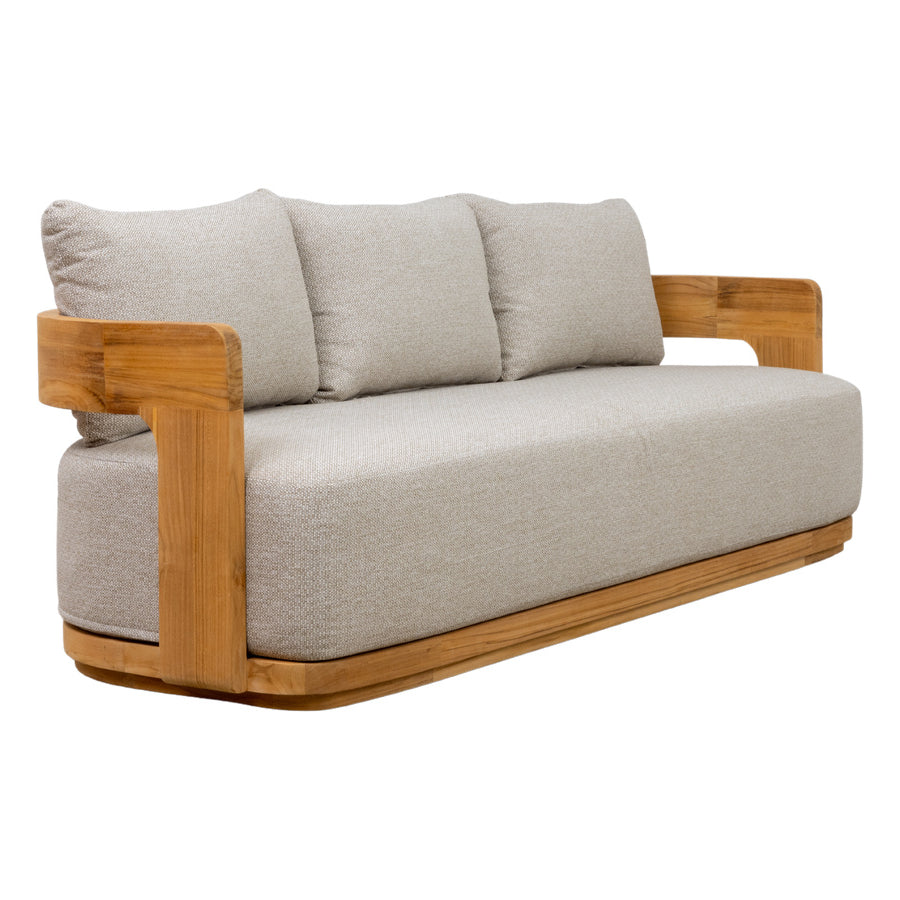
Like any furniture product, your new lounge will require care to ensure it remains comfortable and looking beautiful for years to come. Over the first few months of use, you may notice the polyurethane seat foam start to soften – this is normal and should eventually stabilise. Every lounge will wear differently, depending on its intended use. See below information on how to care generally for your lounge: DO’s Ensure to rotate/reverse/flip any seating cushions (if applicable) to ensure even wear of the cushions. If this is not done, the foam will likely pool or drop sooner than intended and result in reduced comfort. Use fabric or leather protection to ensure any spills are easier to clean Use appropriate cleaning products to keep your lounge looking fresh and tidy DON’Ts Avoid placing your lounge in direct sunlight as this will cause fabrics or leathers to wear & fade Do not machine wash your covers at home. Always use a professional cleaning service Do not pull loose threads – always cut them Do not allow pets or sharp objects near your lounge Do not sit or rest on the arms of a chair or lounge – they are not designed to support excessive weight Important Notes for Recliners Just like any mechanism or moving part, recliner mechanisms aresusceptible to wear and tear. Try to avoid excessive use or ‘rough’manoeuvres. When extended, leg rests are not designed to support excessive weight.Try to keep weight evenly distributed, to avoid bending or warping overtime. Do not allow children to play on motion sofas and armchairs. Before using any of the mechanisms ensure the person using the chairis correctly seated. Precautions should be taken by people with lumbarmedical conditions and/or pregnant women. Recliner mechanisms are covered by a 3-year warranty on the structure.This excludes moving parts, such as handles, triggers and hinges; allcovered by a 1-year warranty (unless stated otherwise). Feather Cushion Care Information Plump the feather cushions for longevity, to keep the sofa looking full and to create consistency in comfort. There are several ways to achieve this, though one method that works well is simply dropping the cushions on the floor, face side up. This will put air back into the feathers, get them moving and create a full look. Throughout the cushion’s lifetime, it is common to experience featherscoming out of the cushions. This is completely normal and can be rectified with regular vacuuming.
Learn more
Mattress & Base Care Information
Any new mattress will require a certain level of care if it is to last for many comfy nights to come. Please follow the below care instructions for all Eureka Furniture & A.H.BEARD products: Your mattress is made with all new materials that may release a slight smell, this is normal and not a cause for concern. Once your new mattress has been removed from its plastic packaging, leave it uncovered in a well-ventilated room to allow any odours to dissipate. Do not stand or jump on your mattress or base Do not bend or fold your mattress If your mattress contains an anatomic gel comfort layer, ensure that it always remains flat. Do not store it on its side Use a suitable, supportive base for your mattressMATTRESS PROTECTION Always use a good quality mattress protector to ensure a fresh and hygienic night’s sleep and protect your mattress from spills and stains Leave your mattress to breathe regularly to allow body moisture to dissipate. Simply leave the bedlinen turned back for a few hours to allow air to circulate around and through the mattress. CLEANING YOUR MATTRESS Vacuum your mattress regularly using a soft upholstery attachment to remove dust and fluff. Avoid getting your mattress wet. Spills should be absorbed immediately with a dry cloth or paper towels. ROTATING YOUR MATTRESS We recommend that you rotate your new mattress end-to-end every two weeks during the first four months, and monthly thereafter, to ensure more even wear. If your mattress has handles, these can be used to rotate it, but are not designed to carry the full weight of the mattress. Do not use the handles to lift and carry the mattress, as this may cause damage and will void the guarantee. For more information on mattress care and warranties, please contact A.H.BEARD directly at https://customercare.ahbeard.com/
Learn more
Candle Safety
Candle fires account for 2.4% of all fires and result in 6% of total injuries from fires and 3% of all fatalities from fires. The National Fire Incident Reporting System (NFIRS) reports candle fire incidents occur most often in the bedroom (45.2%), then in the family room (17.5%) and the bathroom (11.2%). The kitchen accounts for 6.3% of candle fire incidents. NFIRS alsoreports that the materials most often ignited by candles are cabinetry (9.4%); bedding (blankets, sheets, comforters, etc.) (7.7%); curtains and drapery (7.2%); mattresses & pillows (5.5%).85 percent of candle fires could be avoided if consumers followed three basic safety rules. Before Lighting Trim the wick to ¼ inch each time before burning. Long or crooked wicks can cause uneven burning, dripping, or flaring. Burn candles in a well-ventilated room. Place the candleholder on a stable, heat-resistant surface. Keep the wax pool clear of wick trimmings, matches and debris at all times. Avoid drafts, vents, or air currents. This will help prevent rapid or uneven burning, and sooting. Follow recommended burn times. This will ensure excessive heat buildup. While Burning Never touch or move a burning candle. Never move a votive or container candle when the wax is liquefied. Do not burn a candle all the way down. For a margin of safety, discontinue burning a candle when 10% of the wax is left. Extinguish a candle if the flame becomes too high or flickers repeatedly. Let the candle cool, trim the wick, and check for unwanted drafts before relighting. Always keep the candle within your sight. If you are going to leave the room, be sure to first blowout all candles. Never leave a burning candle unattended. Never burn a candle on or near anything that might catch fire. Keep candles out of the reach of children and pets When Extinguishing Use a candle snuffer to extinguish a candle. It is the safest way to prevent hot wax from splattering. Never use water to extinguish a candle. Water can cause the hot wax to splatter and might break a glass container. Make sure the candle is completely snuffed and the wick ember is no longer glowing before leaving the room. Do not touch or move the candle until it has completely cooled.
Learn more